On misogynoir, double standards, and the men who never had a chance anyway
I’ll be honest. I don’t care about other people’s relationships. What goes on between two consenting adults is their business and, frankly, it should stay that way. Breakups happen. Cheating happens. People move on. That’s life.
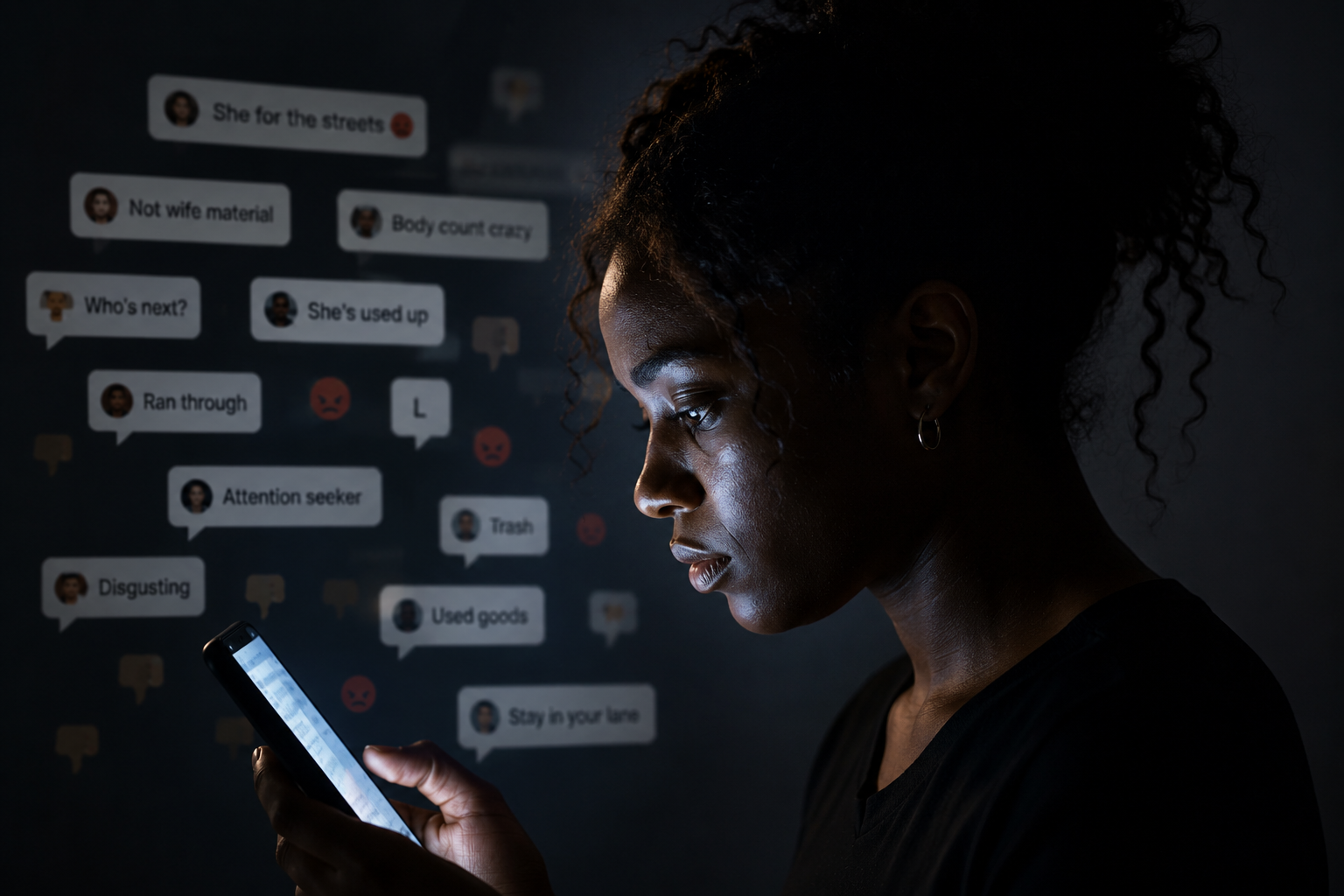
But somewhere between Megan Thee Stallion’s raw, honest Instagram post about Klay Thompson’s alleged infidelity and the tsunami of degrading memes, podcast rants, and derogatory imagery that followed, this stopped being about a relationship. It became something else entirely: a public flogging of a Black woman, carried out by Black men who don’t know her, will never know her, and frankly, based on their behaviour, never deserved to.
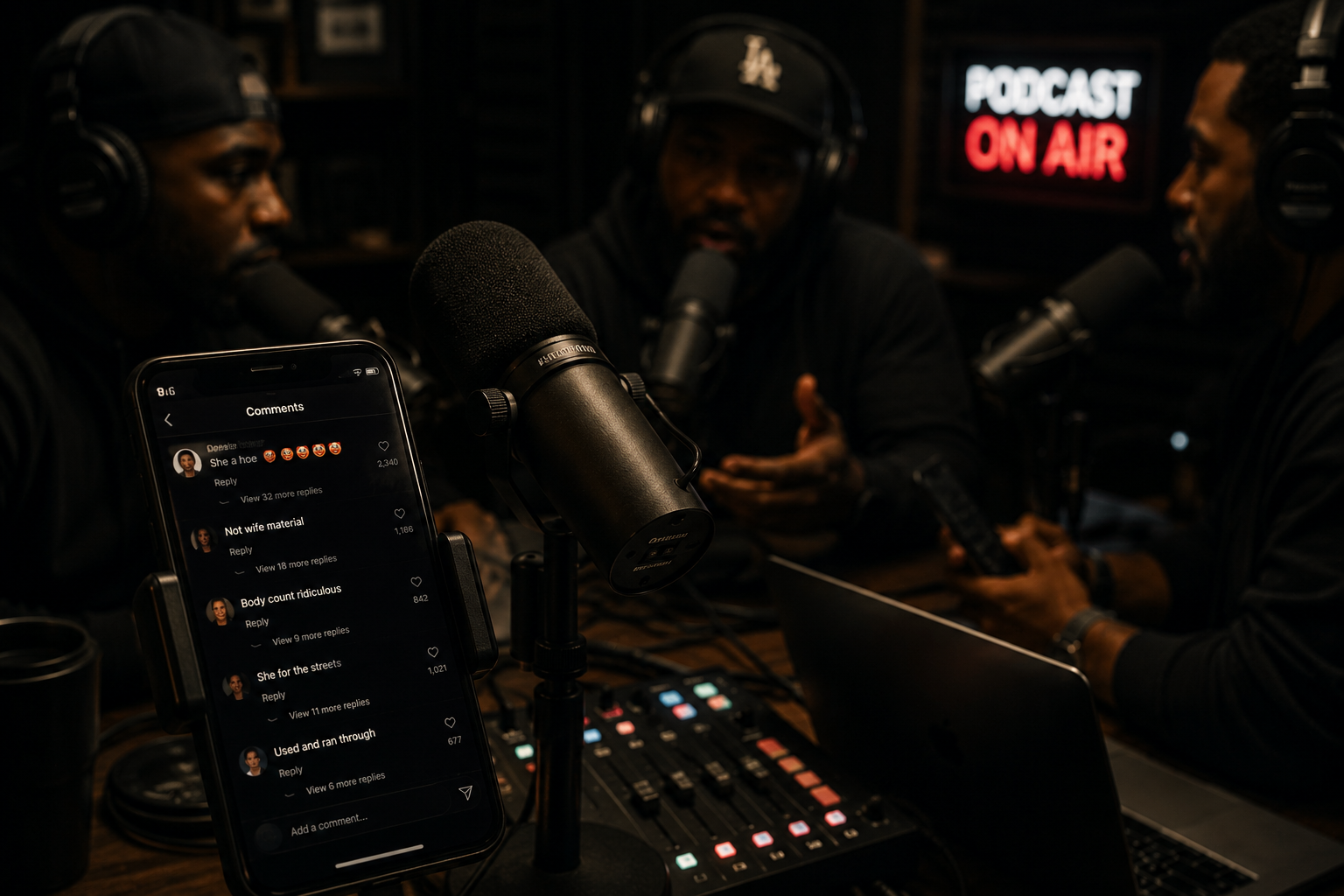
These are grown men. Men old enough to be someone’s father, brother, uncle, or son. Men who sat down, opened their laptops, and deliberately created and shared degrading images of a woman who has never wronged them. Who dedicated podcast airtime to declaring her “not wife material.” Who lined up her exes like a scorecard, as though a woman’s worth is calculated by how few people have loved her.
And for what?
Megan Thee Stallion is a Grammy-winning rapper, a Harvard-educated woman, and a performer who held herself together on stage even as her personal life was falling apart publicly. Cardi B, who faced remarkably similar treatment after her split from Stefon Diggs, is one of the most commercially successful female rappers in history. Both women built empires. Both women were cheated on. And both women were publicly humiliated, not by their exes, but by random men with microphones and too much time.
Here is what makes this particularly obscene: these same men are not applying these so-called “standards” universally. Kim Kardashian, whose sex tape famously launched her into global fame, is worshipped. Taylor Swift and Ariana Grande, both of whom have long, very public relationship histories, are celebrated, desired, and placed on pedestals. Not a single degrading podcast. Not a single meme about their “body count.” Not one sermon about whether they are “wife material.”
The difference is not behaviour. The difference is the colour of their skin.
This is misogynoir, a term coined by scholar Moya Bailey to describe the specific intersection of racism and sexism directed at Black women. It is not a new phenomenon. But social media and the rise of podcast culture have handed it a megaphone, an audience, and an algorithm.
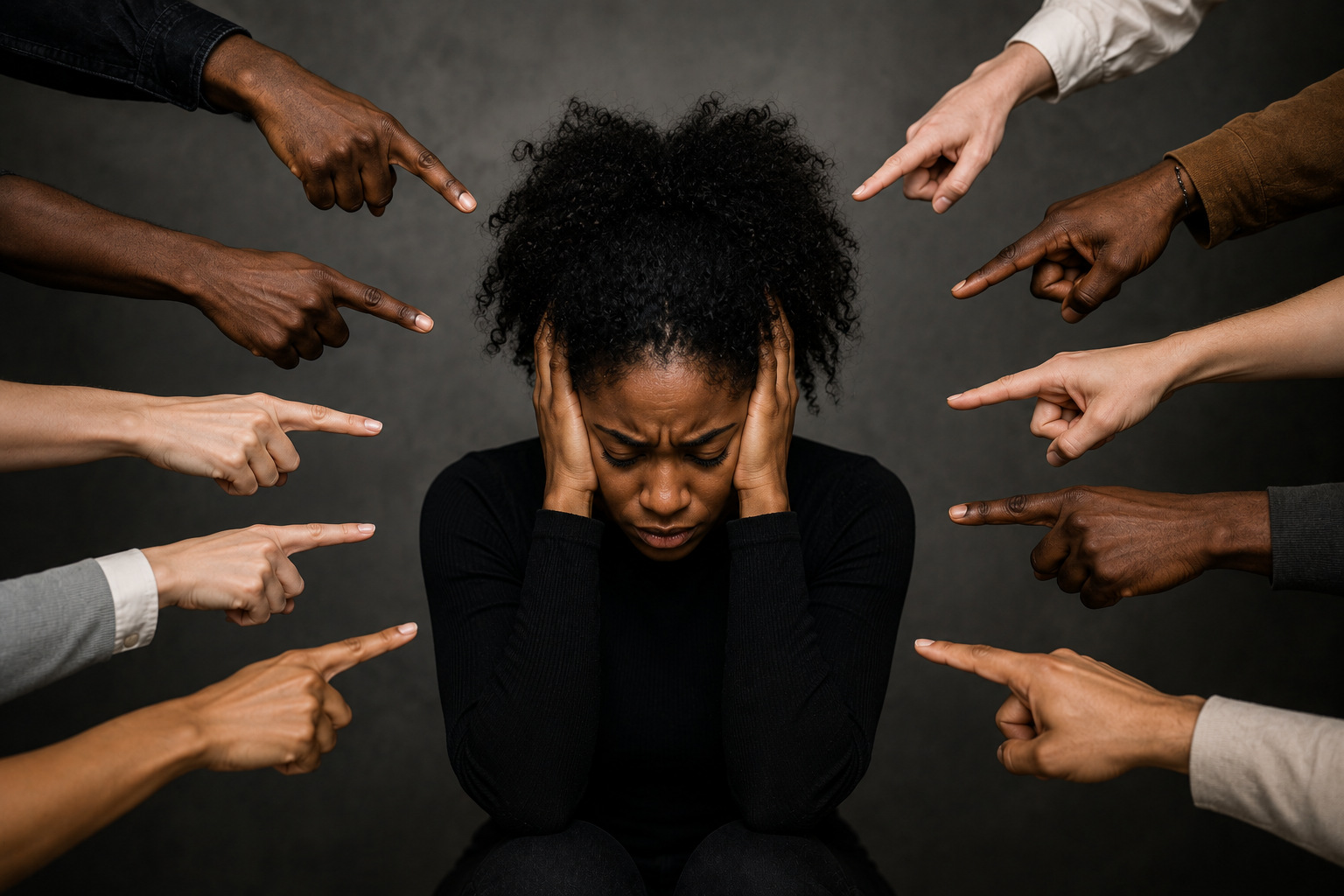
Black women are already navigating a world that undervalues them at every turn. They are underpaid compared with white women, white men, and Black men. They are underrepresented, overworked, and consistently expected to show up for a community that does not always show up for them. They carry enough. They do not need to come home to find that men who share their culture, their history, and their community have spent their Sunday afternoon making degrading graphics about a woman they have never met.
The most telling part? These men have disqualified themselves entirely. You cannot spend your platform dehumanising Megan Thee Stallion and then wonder why a woman of her calibre would never look twice at you. The audacity of declaring someone else beneath your standards while demonstrating you have none.
Other people’s personal lives are none of my business. But when Black men use their public platforms to systematically degrade Black women for sport, that becomes everyone’s business.
Because silence on that is agreement. And some of us refuse to be quiet.